
Nine times out of ten a picture in a paper is a quick hit,
Written by duckrabbitbang it tells its story and then its gone again.
The problem is so many thoughtful photos get left behind.
It’s frightening how little we see of the pictures that really matter.
I only became aware of this when looking through Yasuyoshi Chiba’s photos of the Kenyan conflict.¬† If you were just to see the pictures the editors picked then you would think the only thing Yasuyoshi was interested in was either getting himself killed, or getting a picture of someone else being killed.
I’ve started to wonder what happens to all those great photos that never get seen?
Collectively they tell the full story of conflict. I mean take the Kenyan post election violence.¬† It must have been one of Africa’s most comprehensively photographed and reported conflicts ever and yet, to my knowledge, not one dollar has been spent pulling all that work together in an attempt to properly document what happened.
Something is wrong.
Perhaps we need some kind of working template to achieve this … or just someone with the vision to get it done.
So here’s a photo from the Kenyan conflict that has never been seen apart from here on the blog.¬† It tells a simple story of how people pick up the pieces from their shattered lives and move on, literally.
Next time your house gets knocked down by a mob will you think about using the bricks in this way?
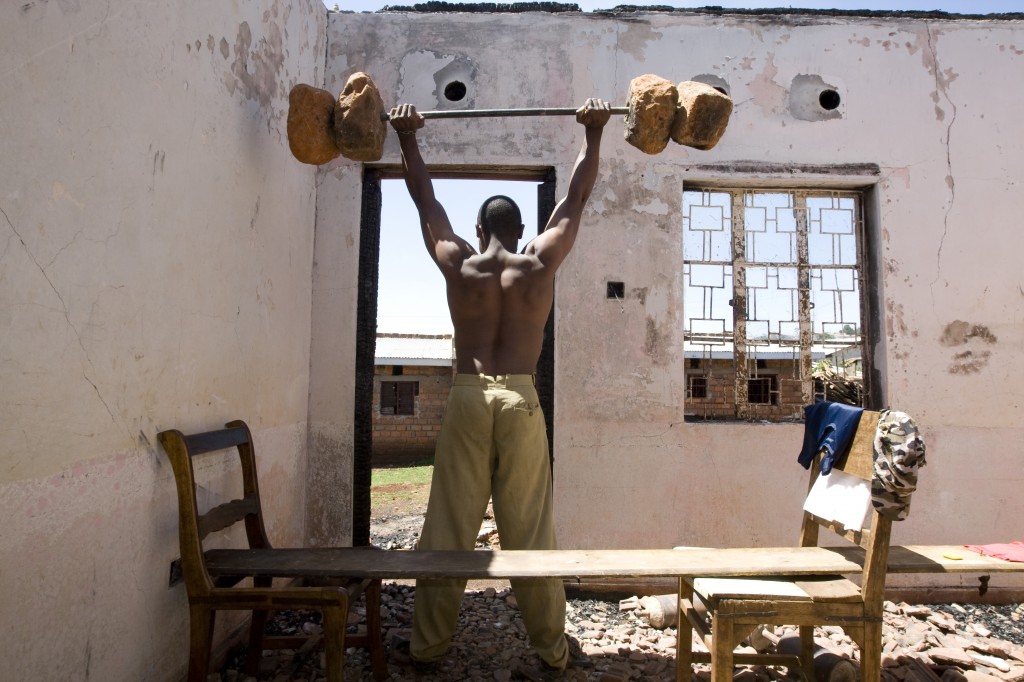
Recycling the wreckage of a house destroyed in Kenyan violence (c) Yasuyoshi Chiba

Author — duckrabbit
duckrabbit is a production company formed by radio producer/journalist Benjamin Chesterton and photographer David White. We specialize in digital storytelling.
Discussion (1 Comment)
Beautiful… and I am not just talking about the muscles! You have to wonder why editors seem to think that death or violence is what makes a picture interesting…
this one is quite violent in its own way, but also hopefull and a symbol of human resilience. Certainly more appealing and thought provoking than someone being shot or lying dead in their blood.
Thanks Yasuyoshi for another remarkable captured moment.